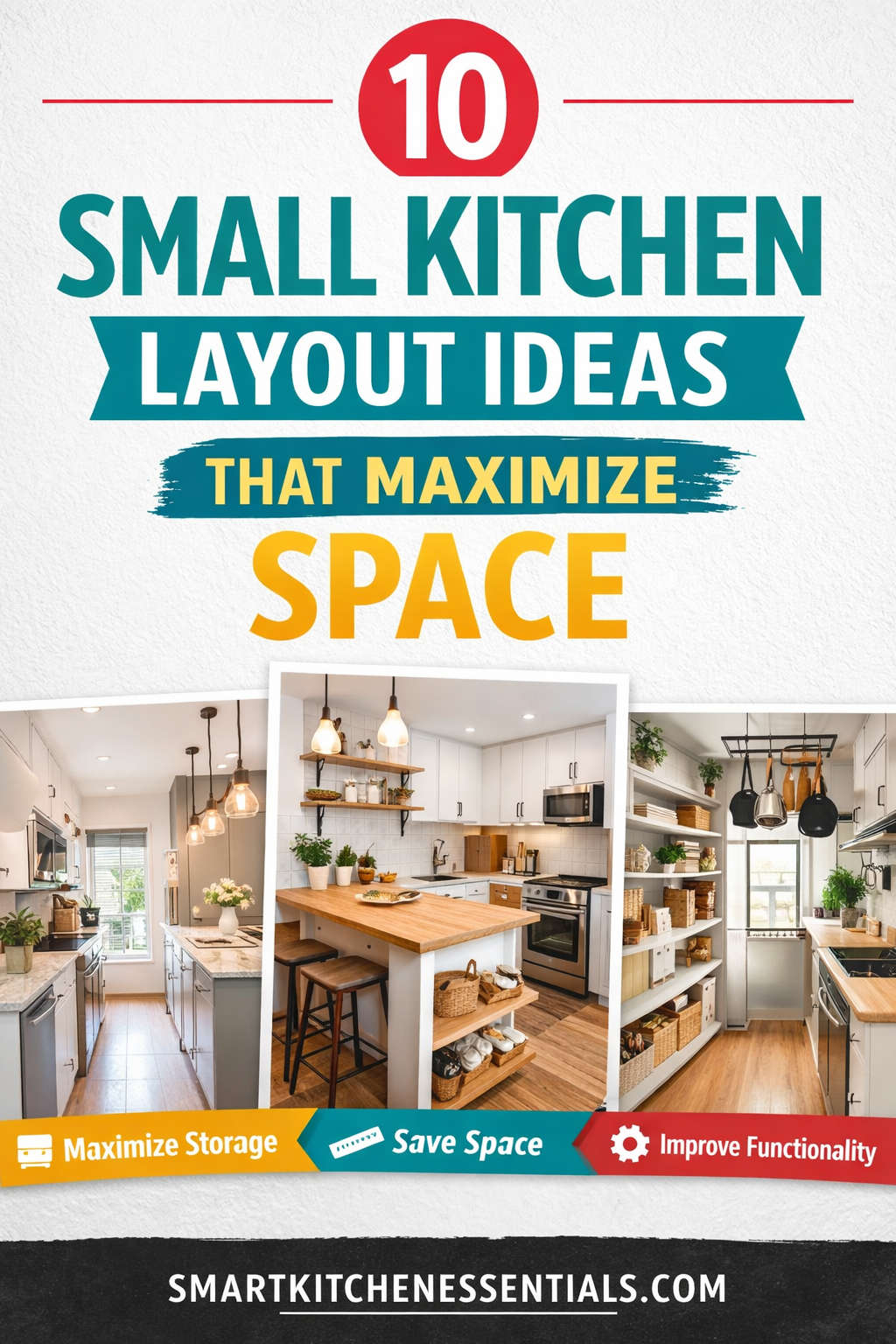
Designing a small kitchen can feel overwhelming. Limited square footage often leads to cluttered counters, tight walkways, and a sense that nothing quite fits. However, a small kitchen does not have to mean sacrificing comfort, efficiency, or style. With the right layout, thoughtful storage solutions, and smart design decisions, even the most compact kitchen can feel spacious, organized, and enjoyable to use.
This guide explores 10 highly effective small kitchen layout ideas that help you make the most of every inch. Whether you live in a studio apartment, a townhouse, or a compact family home, these layouts focus on maximizing space, improving workflow, and creating a kitchen that works beautifully for everyday life.
Why Kitchen Layout Matters in Small Spaces
In a large kitchen, design mistakes can be forgiven. In a small kitchen, every decision matters. Layout is the foundation of functionality. A poor layout can make a kitchen feel cramped and frustrating, while a smart layout can completely transform how the space looks and feels.
A well-planned small kitchen layout:
- Improves efficiency and movement
- Reduces clutter and wasted space
- Enhances storage without overcrowding
- Makes the kitchen feel larger than it is
- Supports cooking, cleaning, and social interaction
Before diving into specific layout ideas, it helps to remember that the goal is not to fit everything in, but to fit what you actually use, in the smartest way possible.
1. Galley Kitchen Layout: Maximum Efficiency in Minimal Space
What Makes a Galley Kitchen Ideal for Small Homes
The galley kitchen is one of the most efficient layouts for small spaces. It consists of two parallel counters with a walkway in between. This layout is common in apartments and narrow homes because it eliminates wasted space while keeping everything within easy reach.
Benefits of a Galley Kitchen
- Excellent workflow with minimal walking
- High counter and cabinet capacity
- Clear separation of cooking and prep zones
- Works well in narrow rooms
How to Make a Small Galley Kitchen Feel Larger
- Use light-colored cabinetry to reflect light
- Install cabinets that reach the ceiling to maximize vertical storage
- Keep one side visually lighter by using open shelves or glass-front cabinets
- Add under-cabinet lighting to brighten work surfaces
- Choose slim appliances designed for small kitchens
A galley kitchen thrives on simplicity. Keeping surfaces uncluttered and finishes cohesive helps prevent the space from feeling enclosed.
2. L-Shaped Kitchen Layout: Open, Flexible, and Functional
Why the L-Shaped Layout Works in Small Kitchens
An L-shaped kitchen uses two adjacent walls, leaving the rest of the room open. This layout creates a natural work triangle while allowing for flexibility in how the space is used.
Advantages of an L-Shaped Kitchen
- Encourages smooth movement
- Opens the kitchen to adjacent rooms
- Leaves room for a small dining area or island
- Adapts well to various room shapes
Design Tips for Small L-Shaped Kitchens
- Keep upper cabinets minimal on one wall to maintain openness
- Use corner storage solutions like rotating shelves or pull-out drawers
- Choose a consistent color palette to visually unify the space
- Position the sink and stove on separate legs of the “L” for better workflow
The L-shaped kitchen is especially effective in open-plan homes where the kitchen connects to the living or dining area.
3. Single-Wall Kitchen Layout: Minimalist and Space-Saving
When a One-Wall Kitchen Is the Best Choice
In very small homes or studio apartments, a single-wall kitchen may be the only practical solution. All cabinets, appliances, and counters are placed along one wall, creating a clean and streamlined look.
Why This Layout Works
- Takes up the least amount of floor space
- Creates a modern, uncluttered appearance
- Allows more room for living or dining functions
- Simplifies plumbing and electrical placement
How to Improve Functionality in a Single-Wall Kitchen
- Stack appliances vertically to save space
- Use tall pantry cabinets instead of wide ones
- Install a pull-out counter or fold-down table for extra prep space
- Choose integrated appliances to maintain a seamless look
Although compact, a single-wall kitchen can be highly efficient when storage is thoughtfully designed.
4. U-Shaped Kitchen Layout: Maximum Storage in a Small Footprint
Why U-Shaped Kitchens Are Surprisingly Effective
The U-shaped layout wraps cabinets and counters around three sides, creating a highly efficient workspace. While it may seem better suited for larger kitchens, it can work exceptionally well in small spaces when designed correctly.
Benefits of a Small U-Shaped Kitchen
- Abundant counter space
- Excellent work triangle
- Clear separation of tasks
- High storage capacity
Smart Design Strategies
- Use shallow upper cabinets to avoid a boxed-in feeling
- Leave one side open or semi-open if possible
- Choose light finishes to reflect light
- Install corner storage systems to eliminate dead space
A well-planned U-shaped kitchen feels efficient rather than crowded, especially when visual clutter is kept to a minimum.
5. Small Kitchen with a Peninsula or Breakfast Bar
Why a Peninsula Works Better Than an Island in Small Kitchens
While a full island often takes up too much room, a peninsula or breakfast bar offers similar benefits with a smaller footprint. It extends from an existing counter or wall, adding workspace and seating.
Advantages of a Breakfast Bar Layout
- Provides casual dining without a separate table
- Adds extra prep and serving space
- Helps define the kitchen area in open layouts
- Offers additional storage underneath
Design Tips
- Keep the depth slim to maintain walkways
- Choose stools that slide fully underneath
- Use the bar as a multifunctional zone for work, dining, or homework
- Add lighting above the bar to visually anchor the space
This layout is ideal for households that want social interaction without sacrificing functionality.
6. Smart Storage-Focused Kitchen Layout
Why Storage Is the Key to Small Kitchen Success
In small kitchens, storage is often more important than counter space. A layout designed around intelligent storage solutions can completely change how the kitchen feels and functions.
High-Impact Storage Ideas
- Pull-out pantry units
- Appliance garages to hide small appliances
- Deep drawers instead of lower cabinets
- Toe-kick drawers for rarely used items
- Built-in dividers and organizers
Layout Considerations
- Place storage near where items are used
- Avoid overcrowding countertops
- Use vertical space efficiently
- Customize storage to match cooking habits
When everything has a dedicated place, even the smallest kitchen feels calm and organized.
7. Corner Kitchen Layout: Turning Awkward Spaces into Assets
Why Corners Are Often Wasted in Small Kitchens
Corners are one of the most underutilized areas in kitchen design. Without proper planning, they become difficult to access and inefficient.
Best Solutions for Corner Kitchens
- Rotating shelves or lazy Susan units
- Pull-out corner drawers
- Diagonal corner cabinets
- Blind-corner pull-out systems
How This Improves the Layout
- Makes deep storage accessible
- Increases usable cabinet space
- Improves workflow
- Reduces frustration
Using smart corner solutions ensures no space goes to waste.
8. Vertical Kitchen Layout: Making the Most of Height
Why Vertical Space Matters in Small Kitchens
When floor space is limited, vertical space becomes invaluable. Tall cabinets, open shelving, and hanging storage can significantly increase capacity without shrinking the room.
Vertical Design Strategies
- Floor-to-ceiling cabinets
- Open shelves above work zones
- Hanging rails for utensils and cookware
- Slim ladder storage systems
How to Keep Vertical Storage from Feeling Heavy
- Use lighter colors for upper cabinets
- Mix closed storage with open shelving
- Maintain visual balance
- Keep frequently used items within reach
Vertical layouts are especially effective in kitchens with high ceilings or narrow dimensions.
9. Semi-Open Kitchen Layout with Pass-Through or Opening
Why Opening Up Walls Can Transform a Small Kitchen
Removing part of a wall or creating a pass-through instantly increases light, visibility, and perceived space. This approach is ideal when the kitchen borders a living or dining area.
Benefits of a Pass-Through Kitchen
- Improves natural light
- Enhances social interaction
- Makes the kitchen feel larger
- Allows shared functionality
Design Tips
- Use the opening as a serving ledge or breakfast bar
- Match finishes between rooms for visual continuity
- Avoid bulky cabinetry near the opening
- Use lighting to define the kitchen zone
This layout balances openness with functionality, making small kitchens feel connected rather than isolated.
10. Appliance-Optimized Kitchen Layout
Why Appliance Choice and Placement Matter
In small kitchens, oversized or poorly placed appliances can disrupt workflow and eat up valuable space. An appliance-optimized layout focuses on compact, multifunctional solutions.
Smart Appliance Strategies
- Choose slim or counter-depth refrigerators
- Use combination microwave-oven units
- Install dishwashers under counters
- Consider drawer refrigerators or freezers
Layout Tips
- Keep appliances close to prep zones
- Avoid placing appliances where doors collide
- Integrate appliances into cabinetry
- Prioritize what you use most often
The right appliance layout improves efficiency without overwhelming the space.
Universal Design Principles for Small Kitchens
Regardless of layout, these principles apply to all small kitchens:
Light Enhances Space
Natural light, reflective surfaces, and layered lighting make kitchens feel more open.
Consistency Reduces Visual Clutter
Matching finishes, colors, and materials create flow and calm.
Clear Counters Improve Function
Fewer items on counters mean more usable workspace.
Good Workflow Saves Time
Arrange zones logically: storage, prep, cooking, and cleaning.
Multifunctional Features Add Value
Fold-out surfaces, movable carts, and flexible seating maximize usability.
Common Small Kitchen Layout Mistakes to Avoid
- Overloading with cabinets
- Ignoring vertical storage
- Blocking walkways
- Choosing oversized appliances
- Poor lighting planning
- Forgetting ventilation
Avoiding these mistakes can significantly improve both comfort and efficiency.
How to Choose the Right Layout for Your Small Kitchen
Ask yourself:
- How many people use the kitchen daily?
- Do you cook often or occasionally?
- Is dining space needed in the kitchen?
- What storage items are essential?
- How much natural light is available?
Your answers will guide you toward the layout that best suits your lifestyle.
Final Thoughts: Small Kitchens Can Work Beautifully
A small kitchen does not have to feel restrictive. With the right layout, thoughtful storage, and intentional design choices, it can become one of the most efficient and enjoyable spaces in your home.
The key is to focus on function first, reduce clutter, and design around how you actually live. Whether you choose a galley, L-shaped, single-wall, or storage-driven layout, every small kitchen has the potential to feel spacious, practical, and stylish.