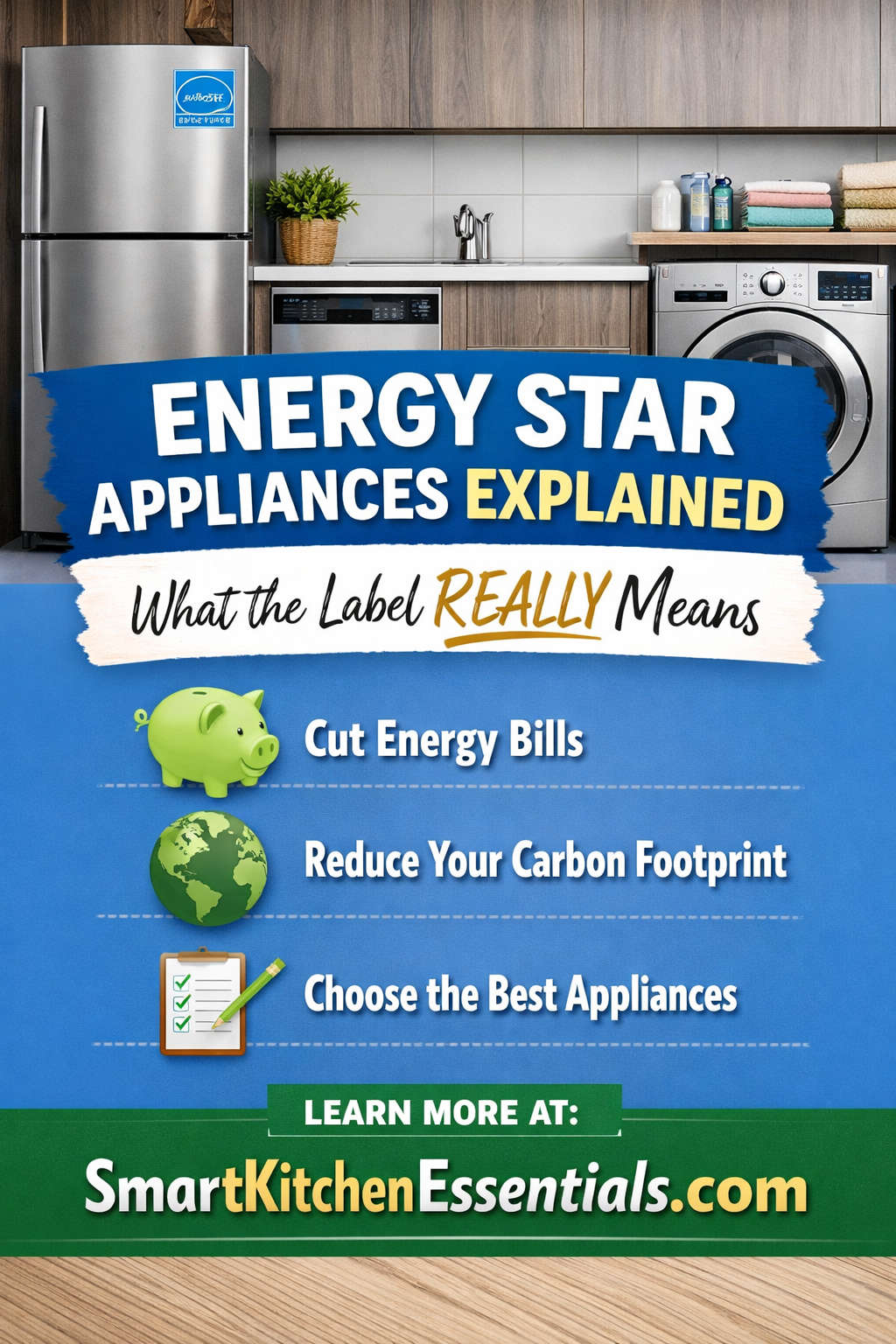
Buying a new appliance today isn’t as simple as choosing the right size or color. With rising electricity costs and growing awareness about environmental impact, energy efficiency has become a major deciding factor. One label you’ll see again and again while shopping is the Energy Star label.
At first glance, it looks like a simple sticker promising energy savings. But behind that small blue symbol is a detailed system of performance standards, testing procedures, and long-term benefits that can affect your monthly bills, home comfort, and environmental footprint.
This in-depth guide breaks down what Energy Star really means, how the certification works, which appliances qualify, and how to use that information to make smarter buying decisions. Whether you’re upgrading a single appliance or planning a full home renovation, understanding Energy Star can save you money and frustration in the long run.
What Is the Energy Star Program?
Energy Star is a voluntary energy-efficiency program designed to help consumers identify products that use less energy without sacrificing performance. When an appliance carries the Energy Star label, it means that it meets or exceeds strict efficiency standards set specifically for that product category.
These standards are intentionally higher than the minimum efficiency requirements that manufacturers must legally meet. In simple terms, Energy Star appliances perform the same tasks as conventional models while using less electricity, less water, or both.
The program covers a wide range of products, from kitchen and laundry appliances to heating and cooling systems, lighting, electronics, and even entire homes and buildings.
Why Energy Star Exists in the First Place
The Energy Star program was created to address a simple but costly problem: energy waste. Many appliances historically consumed far more energy than necessary due to outdated designs or inefficient components. This excess energy use increased utility bills for consumers and added unnecessary strain on power grids.
By setting higher efficiency benchmarks, Energy Star encourages manufacturers to innovate. Instead of competing only on price or features, companies are motivated to improve how efficiently their products operate.
For consumers, the program simplifies decision-making. Rather than comparing complex technical specifications, shoppers can use the Energy Star label as a trusted shortcut to identify efficient products.
How Energy Star Certification Actually Works
Energy Star certification is not something manufacturers can simply claim. Products must go through a structured evaluation process before earning the label.
Product-Specific Standards
Each category of appliance has its own performance criteria. A refrigerator, for example, is evaluated differently than a washing machine or air conditioner. The standards consider how the appliance is typically used in real homes, not just in ideal lab conditions.
Independent Testing
Appliances are tested in accredited laboratories using standardized methods. These tests measure energy consumption, water usage, and overall performance. Results are reviewed to ensure they meet Energy Star requirements.
Ongoing Compliance
Energy Star standards are updated regularly as technology improves. This means a model that qualified years ago may not meet current criteria. Manufacturers must continuously update designs to maintain certification.
This evolving process ensures that the Energy Star label remains meaningful rather than becoming outdated or symbolic.
What Makes Energy Star Different from Standard Efficiency Labels?
Most appliances sold today already meet basic efficiency regulations. Energy Star goes several steps further.
Here’s what sets it apart:
- Higher efficiency thresholds than federal minimums
- Verified performance testing, not just manufacturer claims
- Regular updates to keep pace with technological advancements
- Category-specific benchmarks tailored to real-world use
In other words, Energy Star is not about meeting the bare minimum. It represents the top tier of energy performance available at the time of certification.
Appliances That Commonly Carry the Energy Star Label
Energy Star certification applies to many everyday household appliances. Understanding how efficiency impacts each category can help you prioritize where savings matter most.
Refrigerators and Freezers
Refrigerators run 24 hours a day, making them one of the largest energy users in most homes. Energy Star models use improved insulation, efficient compressors, and advanced temperature management to reduce energy use while keeping food fresh.
Even small efficiency improvements in refrigerators can add up to significant savings over time.
Dishwashers
Energy Star dishwashers are designed to use less water and less energy per cycle. They often include soil sensors that adjust wash intensity and improved drying systems that reduce the need for electric heating.
These models are not only more efficient but often quieter and more effective at cleaning.
Washing Machines
Certified washing machines use advanced drum designs and optimized wash motions to clean clothes with less water. Faster spin speeds remove more moisture, reducing drying time and energy use in the dryer.
Over the lifespan of a washing machine, water and energy savings can be substantial.
Clothes Dryers
Energy Star dryers use moisture sensors and improved airflow to avoid over-drying clothes. Some models incorporate heat pump technology, which uses significantly less energy than traditional electric heating.
Heating and Cooling Systems
Heating and cooling account for a large portion of household energy use. Energy Star-certified furnaces, air conditioners, and heat pumps use advanced compressors, variable-speed motors, and smarter controls to improve comfort while lowering energy consumption.
Water Heaters
Energy Star water heaters include high-efficiency gas models, heat pump water heaters, and advanced electric systems. These designs reduce the energy needed to heat water without compromising supply.
Understanding Energy Star Labels and Numbers
While the Energy Star logo itself is easy to spot, most appliances also display additional energy information that’s worth understanding.
Estimated Annual Energy Use
Many appliances list an estimated yearly energy consumption. This number allows you to compare models within the same category and size range.
Lower numbers generally mean lower operating costs, but it’s important to compare similar models to avoid misleading conclusions.
Operating Cost Estimates
Some labels provide estimated yearly operating costs based on average utility rates. While actual costs will vary depending on location and usage, these estimates are helpful for side-by-side comparisons.
Capacity and Efficiency Balance
An efficient appliance that’s too large for your needs may still use more energy overall than a smaller model. Choosing the right size is just as important as choosing the right certification.
The Real Benefits of Choosing Energy Star Appliances
Energy Star appliances offer more than just lower energy use. Their benefits extend into everyday life in ways many buyers don’t expect.
Lower Utility Bills
The most obvious advantage is reduced energy and water bills. Depending on the appliance, savings can range from modest to substantial, especially in high-use categories like heating, cooling, and refrigeration.
Long-Term Cost Savings
Although Energy Star appliances sometimes cost more upfront, they often cost less over their lifetime. Lower operating costs can offset the initial price difference, sometimes within just a few years.
Improved Performance and Features
Efficiency improvements often come with better technology. Many Energy Star appliances offer advanced controls, quieter operation, and more consistent performance compared to older or less efficient models.
Environmental Impact
Using less energy reduces greenhouse gas emissions and demand on power plants. Over millions of households, these savings add up to a meaningful reduction in environmental impact.
Increased Home Value
Energy-efficient appliances can be a selling point in real estate markets. Buyers increasingly value homes with lower operating costs and modern, efficient systems.
Are Energy Star Appliances Always Worth the Extra Cost?
Not every Energy Star purchase delivers the same return. Understanding when efficiency pays off can help you spend wisely.
When Energy Star Makes the Biggest Difference
- Appliances that run constantly, such as refrigerators
- Systems with high energy demand, like heating and cooling
- Homes with high utility rates
- Long-term ownership situations
When the Savings May Be Smaller
- Appliances used infrequently
- Small efficiency differences between models
- Short-term living situations
In these cases, Energy Star may still offer environmental benefits, but financial savings may be less dramatic.
Common Myths About Energy Star Appliances
Despite widespread recognition, several misconceptions still surround the Energy Star label.
Myth: Energy Star Appliances Are Less Powerful
Efficiency does not mean weaker performance. Certification requires that products meet performance standards equal to or better than conventional models.
Myth: All Energy Star Products Save the Same Amount
Savings vary by appliance type, usage habits, and efficiency level. Comparing specific models is essential.
Myth: Older Energy Star Appliances Are Still Top Performers
Standards evolve. A model certified years ago may be less efficient than newer certified options available today.
Myth: Energy Star Covers All Aspects of Sustainability
Energy Star focuses on energy and water efficiency, not materials, recyclability, or manufacturing practices.
How to Choose the Right Energy Star Appliance
The label is a starting point, not the final decision. A thoughtful approach leads to better results.
Step 1: Assess Your Needs
Consider how often you use the appliance, how much capacity you require, and which features matter most to you.
Step 2: Compare Similar Models
Only compare appliances within the same category and size range. Efficiency numbers are most meaningful when models are comparable.
Step 3: Look Beyond the Sticker
Read product descriptions, customer reviews, and warranty details. Efficiency is important, but reliability and service support matter too.
Step 4: Factor in Long-Term Costs
Calculate potential energy savings over the appliance’s expected lifespan. A slightly higher purchase price may be justified by years of lower bills.
Rebates, Incentives, and Savings Opportunities
Many regions offer financial incentives for choosing energy-efficient appliances. These programs are designed to encourage adoption and reduce upfront costs.
Types of Incentives You May Find
- Utility rebates
- Government efficiency incentives
- Manufacturer promotions
- Trade-in or recycling programs
These savings can significantly improve the return on investment for Energy Star appliances, especially for high-cost items like HVAC systems and water heaters.
Energy Star and Smart Home Technology
Modern Energy Star appliances increasingly integrate with smart home systems. These features can further enhance efficiency.
Examples include:
- Appliances that adjust operation based on usage patterns
- Smart thermostats that optimize heating and cooling schedules
- Appliances that run during off-peak energy hours
Smart features don’t automatically guarantee energy savings, but when used properly, they can amplify the benefits of efficient design.
The Future of Energy Star Appliances
Energy efficiency standards continue to evolve as technology advances. Future Energy Star products are likely to focus on:
- Greater integration with renewable energy systems
- Improved performance during peak energy demand
- Enhanced data-driven optimization
- Even stricter efficiency benchmarks
As energy costs rise and sustainability becomes more important, the role of Energy Star appliances will continue to expand.
Final Thoughts: What the Energy Star Label Really Means for You
The Energy Star label is more than just a symbol—it’s a reliable indicator of efficiency, performance, and long-term value. While it shouldn’t be the only factor in your purchasing decision, it provides a strong foundation for making smarter choices.
By understanding how Energy Star certification works, which appliances benefit most, and how to evaluate real savings, you can confidently invest in products that reduce costs, improve comfort, and support a more sustainable future.
Whether you’re replacing a single appliance or upgrading your entire home, using the Energy Star label wisely helps ensure that your money works harder—both for you and for the planet.