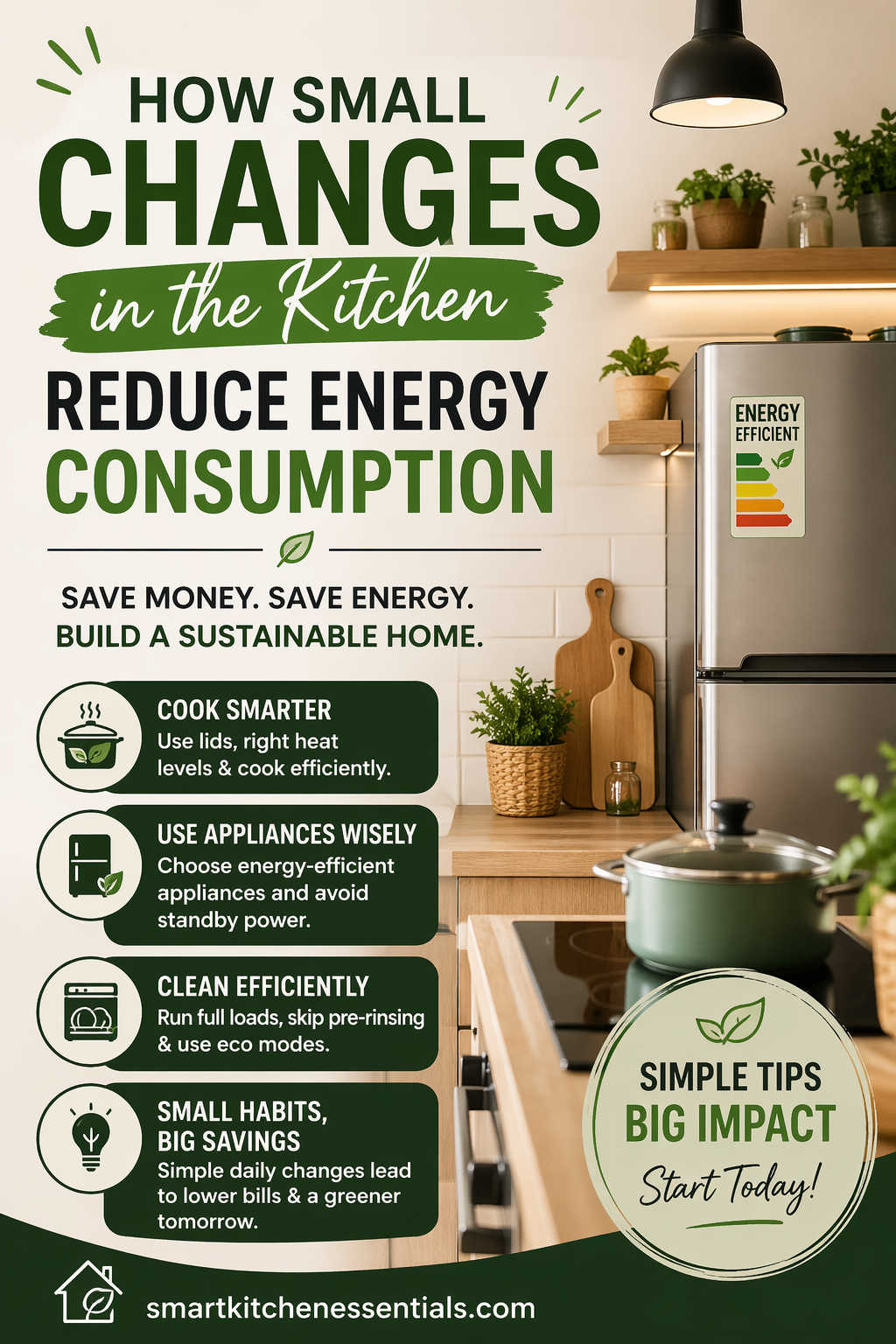
Energy efficiency often sounds like something that requires big investments—solar panels, expensive appliances, or full home renovations. In reality, some of the most effective changes happen in the smallest, most routine part of your home: the kitchen.
Energy Efficiency
What Makes a Kitchen Appliance Energy Efficient? 7 Key Features to Know

Kitchen appliances can account for up to 30% of your home’s energy consumption. That’s a significant chunk of your electricity bill going to refrigerators, dishwashers, ovens, and microwaves every month.
Air Fryer vs Oven: Which Uses Less Electricity and Saves More Money

Rising electricity costs and growing awareness about energy efficiency have changed how people choose kitchen appliances. What once depended purely on cooking performance now involves questions about power consumption, monthly bills, and long-term savings. One of the most common comparisons today is between the air fryer and the traditional electric oven. Both appliances can cook similar foods, yet they operate very differently and consume electricity in distinct ways.
Energy Star Appliances Explained: What the Label Really Means for Your Home
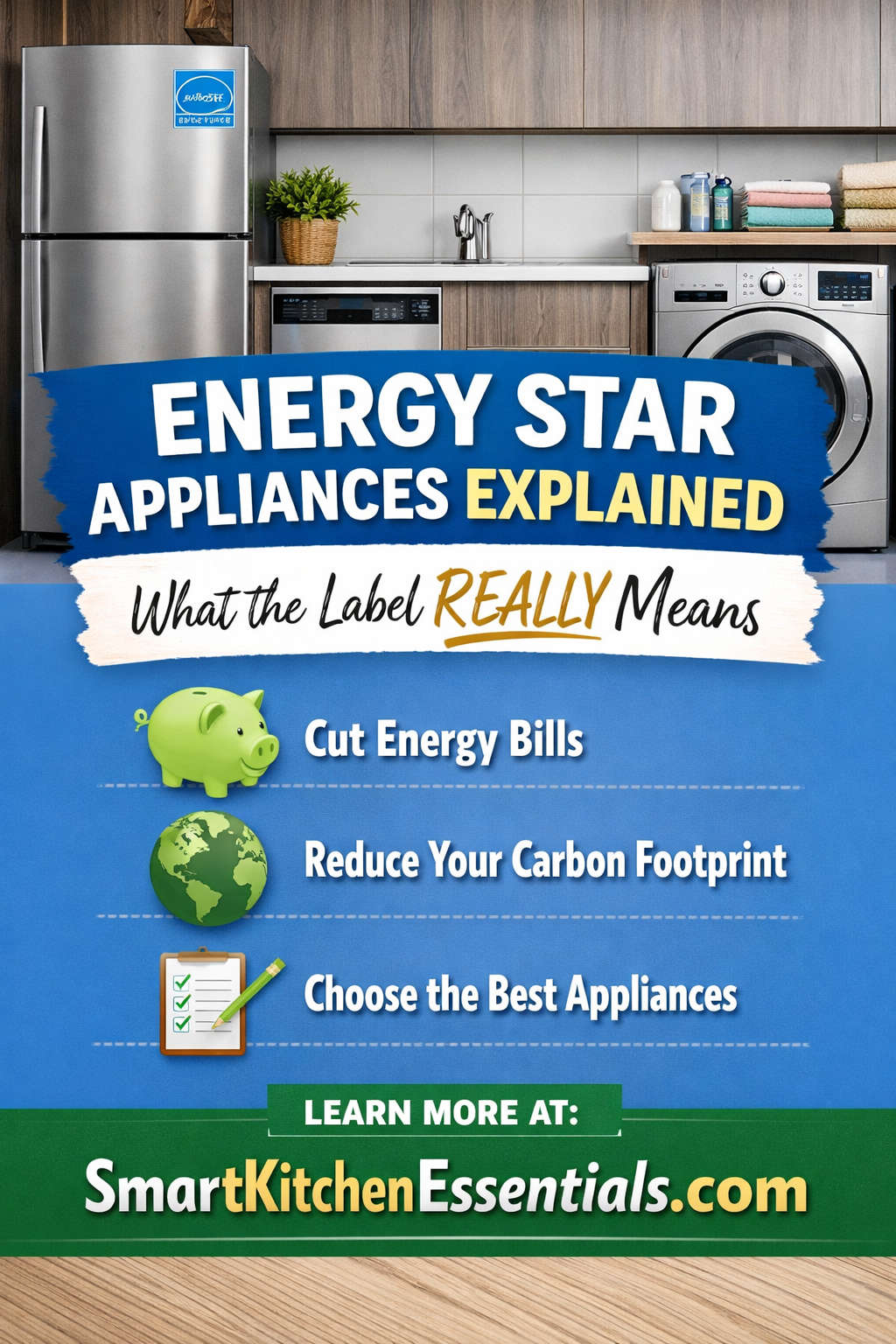
Buying a new appliance today isn’t as simple as choosing the right size or color. With rising electricity costs and growing awareness about environmental impact, energy efficiency has become a major deciding factor. One label you’ll see again and again while shopping is the Energy Star label.