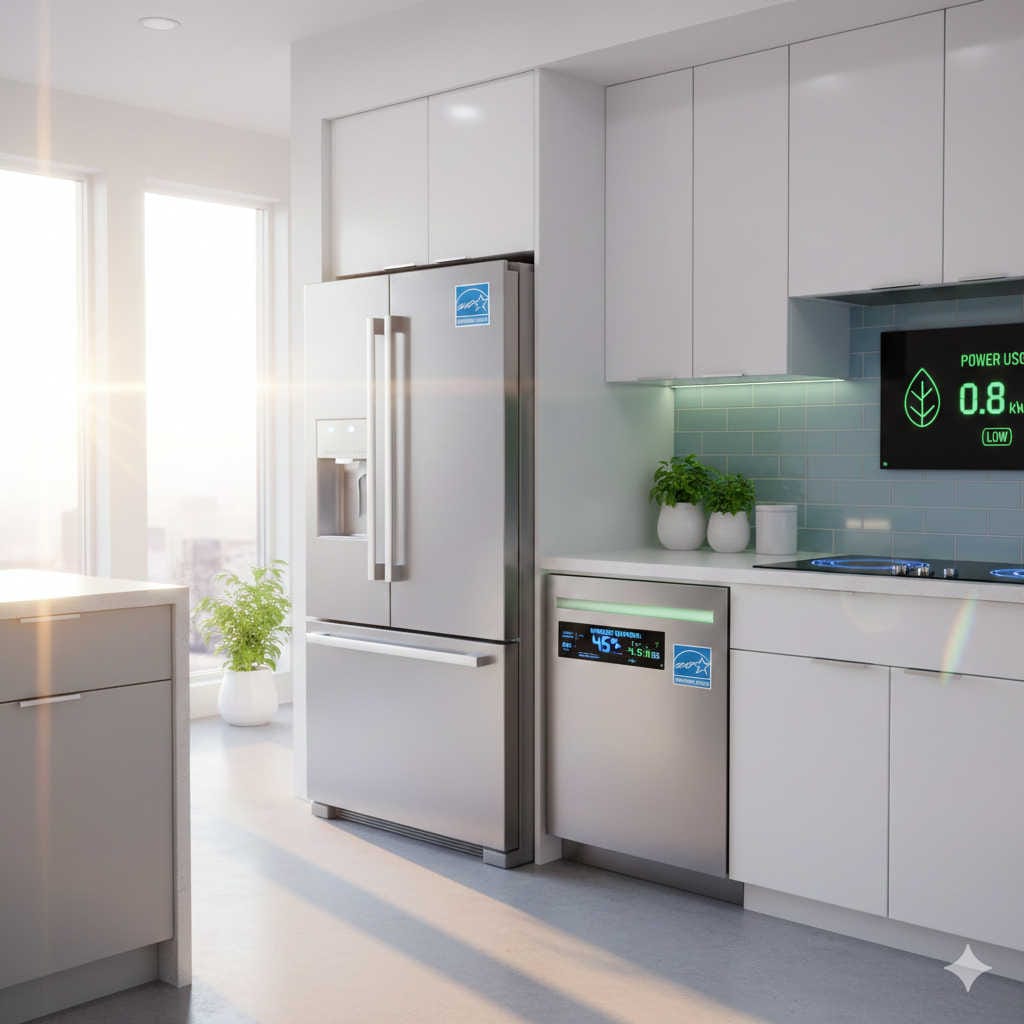
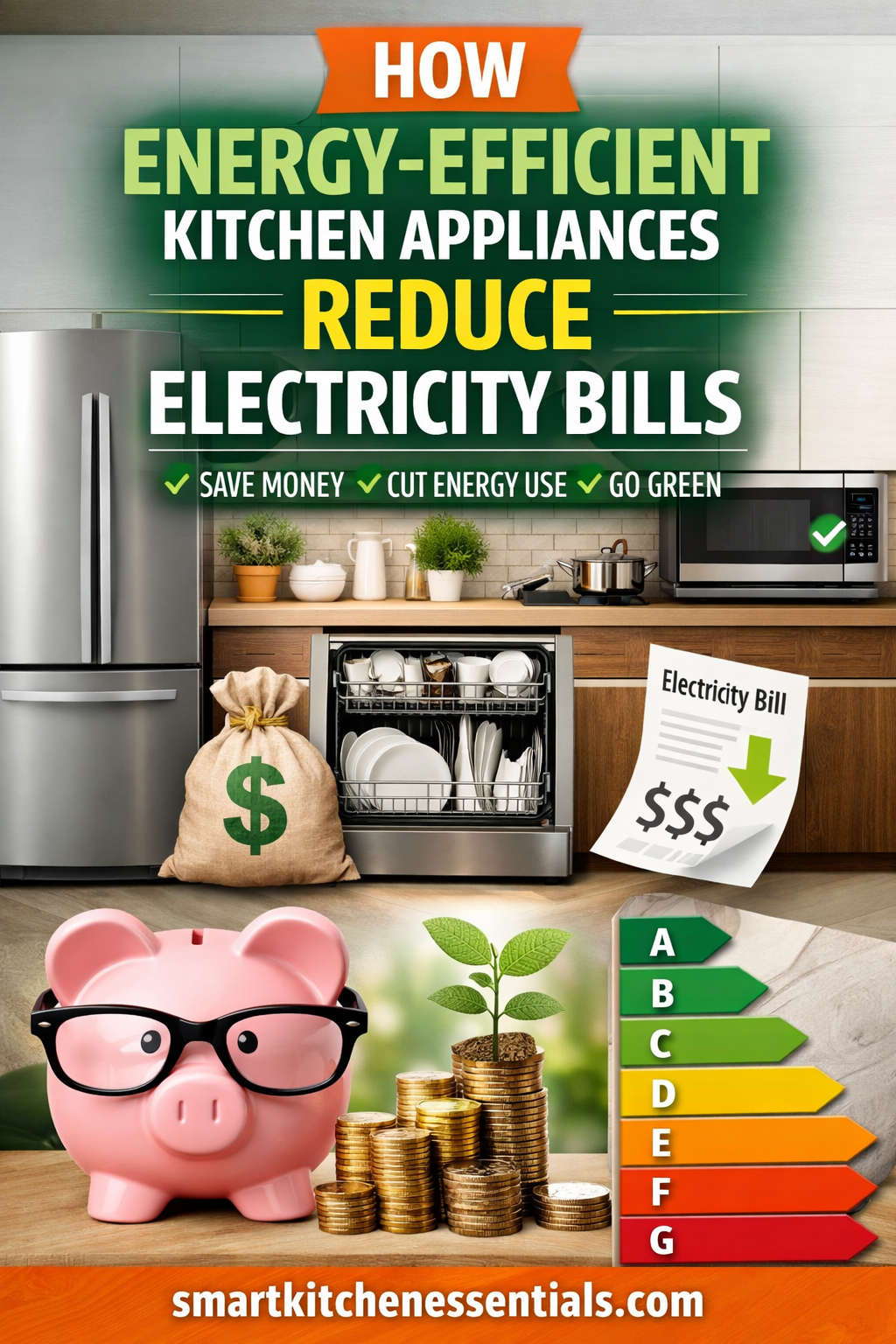
Kitchen appliances can account for up to 30% of your home’s energy consumption. That’s a significant chunk of your electricity bill going to refrigerators, dishwashers, ovens, and microwaves every month.
But here’s the thing: not all appliances are created equal. Some models can cut your energy costs in half while performing just as well, sometimes even better than their energy-hungry competitors.
So what’s the secret? What actually makes one refrigerator more efficient than another sitting right next to it on the showroom floor? Let’s break down the key factors that determine energy efficiency in kitchen appliances.
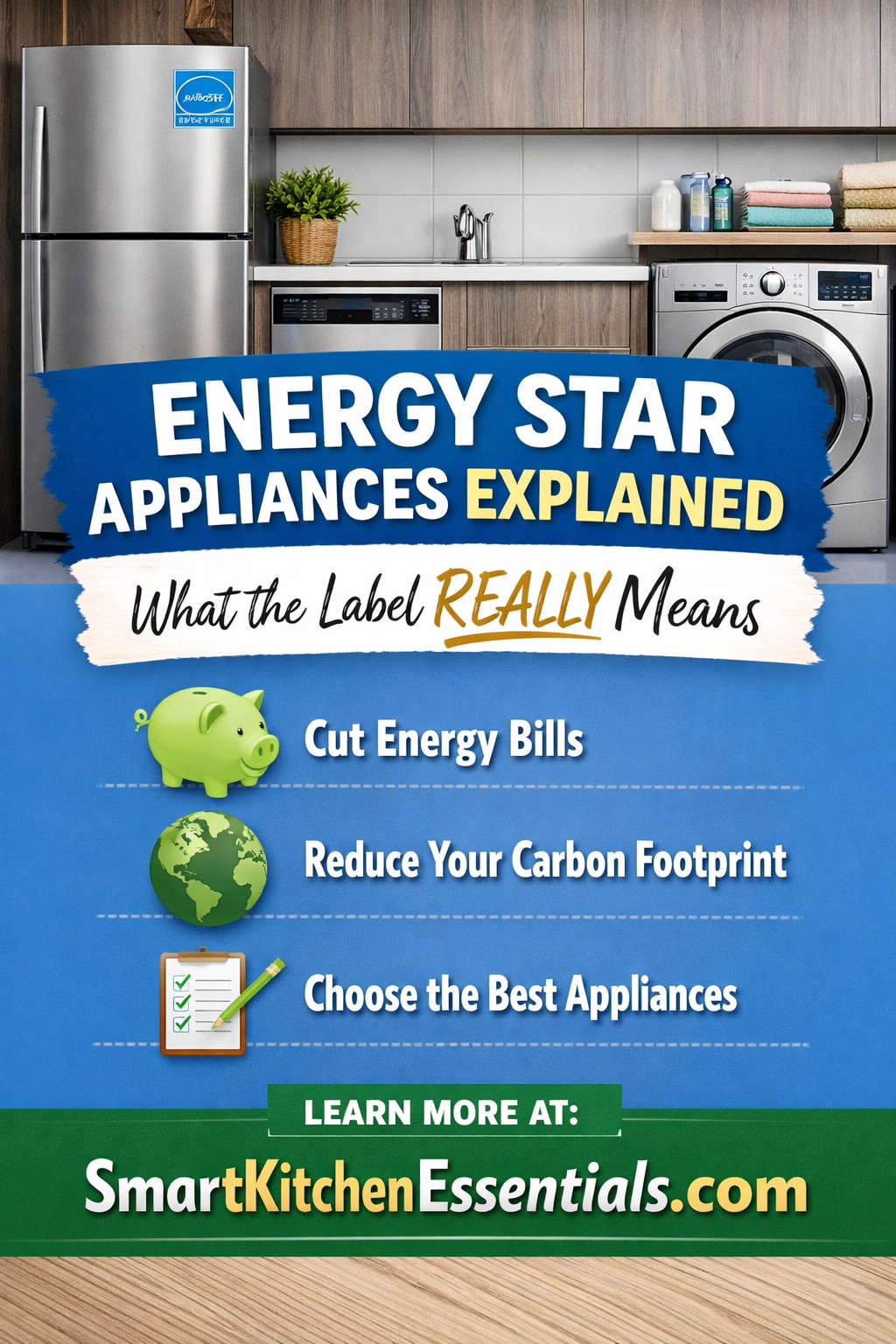
Those yellow EnergyGuide labels aren’t just decorative stickers. They tell you exactly how much an appliance will cost to run each year.
Here’s what matters most:
Energy Star Certification means the appliance uses 10-50% less energy than standard models. It’s tested by independent labs, not just the manufacturer’s marketing department.
Annual Operating Cost shows your yearly electricity expense. A $50 difference per year means $750 over a 15-year lifespan. Suddenly that $100 price premium doesn’t seem so steep.
kWh Per Year reveals actual consumption. Lower numbers mean lower bills. A refrigerator using 400 kWh annually beats one using 600 kWh, plain and simple.
Don’t just glance at these labels. Do the math. Calculate what you’ll spend over the appliance’s lifetime, not just what you’ll pay at checkout.
Better Insulation Means Lower Energy Bills
Think of your refrigerator like a cooler. A cheap foam cooler loses ice in hours. A premium insulated cooler keeps things frozen for days. Same concept applies to appliances.
Energy-efficient refrigerators use thick polyurethane foam insulation that locks in cold air. The compressor doesn’t need to run as often because temperature stays stable. Less runtime equals lower electricity consumption.
Quality oven insulation does double duty. It traps heat inside for better cooking while keeping your kitchen cooler. During summer, this prevents your AC from fighting heat radiating from the stove.
Check insulation thickness when shopping. Thicker walls mean better efficiency, though manufacturers don’t always advertise this feature prominently.
Smart Compressors Work Smarter, Not Harder
Old-school refrigerators work like a light switch: full blast or completely off. This constant cycling wastes massive amounts of energy.
Modern inverter compressors adjust speed based on actual cooling needs. They run continuously at varying speeds instead of turning on and off repeatedly.
Why does this matter? Starting up uses way more energy than maintaining steady operation. It’s like city driving versus highway cruising in your car.
Look for these features:
Variable-speed compressors in refrigerators
Dual or triple sensors that monitor multiple zones
Adaptive defrost cycles that only run when needed
This technology saves energy and extends appliance lifespan by reducing mechanical stress.
Proper Sizing Prevents Energy Waste
Bigger isn’t better when it comes to appliances. An oversized fridge for two people wastes energy cooling empty space. An undersized dishwasher for a family of six runs twice as often.
Match appliance size to your actual needs:
Small households (1-2 people): 14-18 cubic foot refrigerators, compact dishwashers
Medium households (3-4 people): 20-25 cubic foot refrigerators, standard dishwashers
Large households (5+ people): 25+ cubic foot refrigerators, oversized dishwashers
Smart design features also matter. Look for adjustable shelving, efficient airflow systems, and well-placed lighting that doesn’t generate unnecessary heat.
Energy-Saving Cooking Technologies
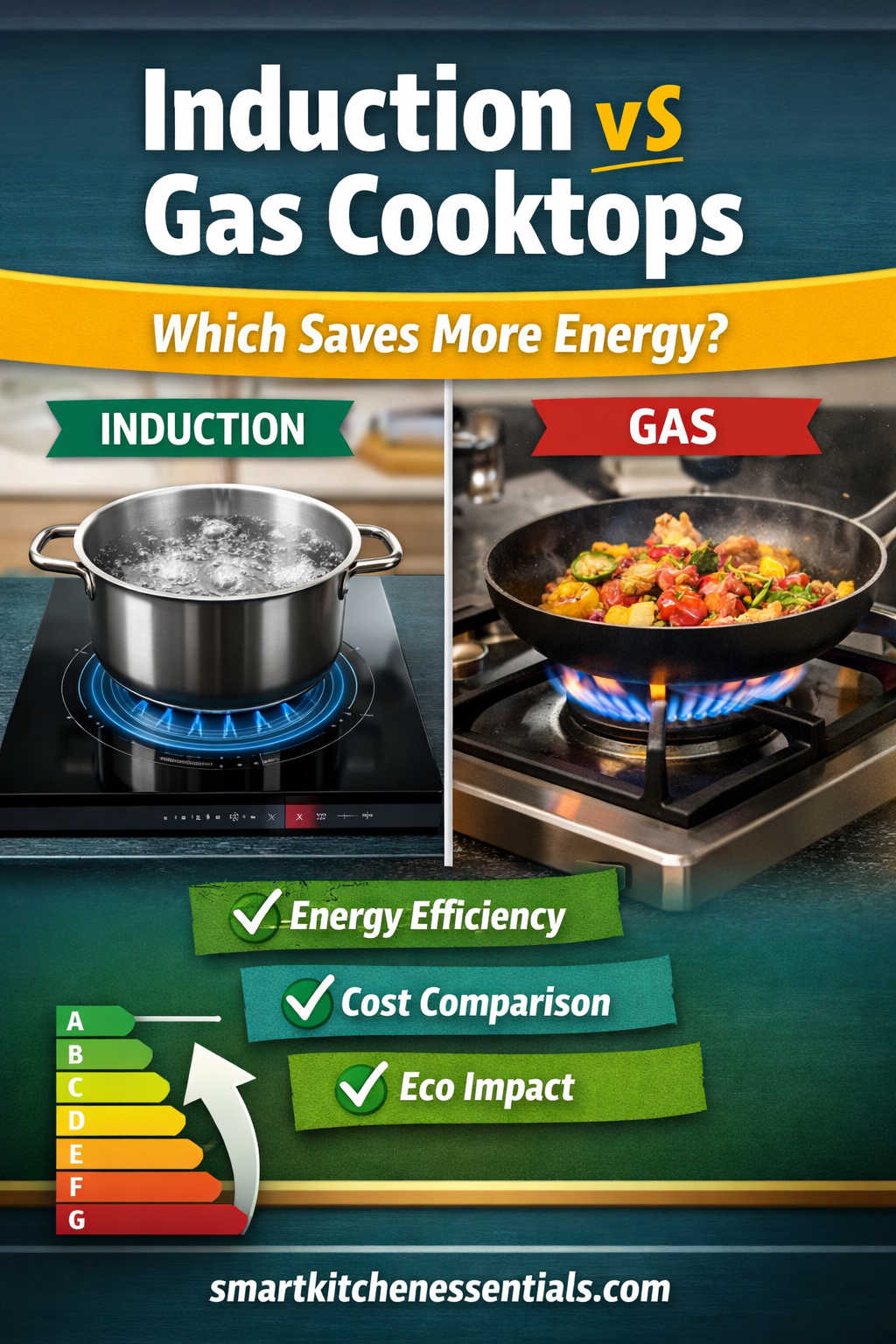
Induction Cooktops are efficiency champions. They heat pans directly through magnetic fields, wasting almost no energy. Water boils in half the time compared to electric coils. The cooktop stays cool to touch, which means no wasted heat warming your kitchen.
Convection Ovens use fans to circulate hot air. This cuts cooking time by 25% and lets you reduce temperature by 25°F. Shorter cooking times at lower temperatures directly reduce energy consumption.
Microwave Ovens are surprisingly efficient for small portions. Reheating leftovers in a microwave uses 80% less energy than heating up your full-size oven.
Choose cooking methods based on what you’re making. Don’t fire up the big oven to reheat a single serving.
Water Efficiency Saves Energy Too
Heating water consumes huge amounts of energy. That’s why efficient dishwashers focus on using less water overall.
Modern Energy Star dishwashers use as little as 3 gallons per cycle. Older models can use 10+ gallons. Heating 7 fewer gallons of water saves significant electricity over the appliance’s lifetime.
Efficient dishwashers achieve this through:
Soil sensors that detect how dirty dishes are
Targeted spray patterns that clean thoroughly with less water
Heat recovery systems that reuse thermal energy
Running an efficient dishwasher actually uses less water and energy than washing dishes by hand, even if you’re conservative with the faucet.
Standby Power Adds Up
Your microwave clock, oven display, and other inactive features draw power 24/7. This “phantom load” seems tiny per appliance but adds up across your entire home.
Energy-efficient appliances minimize standby consumption through smart power management. Some include switches that completely cut power when not in use.
While this won’t dramatically reduce your bill on its own, every bit counts. An appliance drawing 5 watts continuously uses 44 kWh annually. Multiply that across multiple devices.
The Real Cost of Kitchen Appliances
Energy-efficient models cost more upfront. But here’s what most people miss: you’re buying the appliance AND 10-15 years of electricity to run it.
Example calculation for a refrigerator:
Standard model: $800 purchase + $80/year electricity × 15 years = $2,000 total
Energy Star model: $950 purchase + $50/year electricity × 15 years = $1,700 total
The “expensive” efficient model actually saves you $300 over its lifetime.
Don’t forget rebates. Many utility companies offer $50-$200 cash back for Energy Star appliances. Some states offer additional tax credits. These incentives often eliminate the upfront price difference entirely.
Check dsireusa.org for rebates in your area before shopping.
Smart Shopping Checklist
When buying energy-efficient kitchen appliances, prioritize these factors: