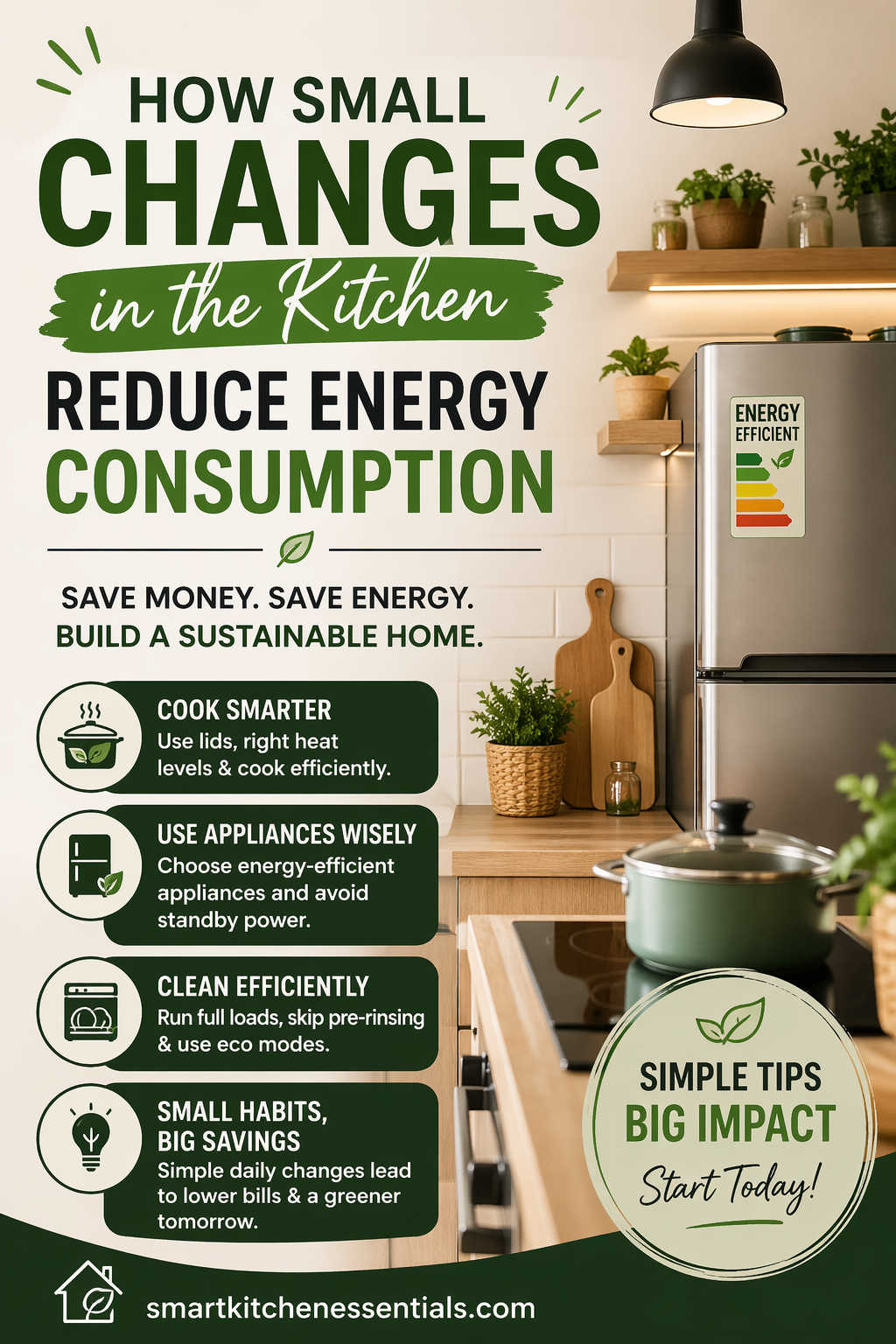
Energy efficiency often sounds like something that requires big investments—solar panels, expensive appliances, or full home renovations. In reality, some of the most effective changes happen in the smallest, most routine part of your home: the kitchen.
The kitchen is one of the highest energy-consuming spaces in any household. Refrigerators run constantly, cooking appliances generate heat daily, and cleaning tasks use both electricity and water. Because of this constant activity, even minor inefficiencies can quietly increase your utility bills over time.
The encouraging part is that you don’t need drastic changes to see results. Simple adjustments in how you cook, clean, and use appliances can significantly reduce energy consumption. This guide walks through practical, realistic, and easy-to-follow strategies to make your kitchen more energy-efficient—without sacrificing convenience or comfort.
Understanding Where Kitchen Energy Goes
Before making improvements, it helps to understand where energy is being used. Most kitchen energy consumption comes from three areas:
Cooling: Refrigerators and freezers operate 24/7, making them the biggest energy users.
Cooking: Ovens, stovetops, microwaves, and kettles consume large amounts of power during use.
Cleaning: Dishwashers and hot water usage contribute significantly to energy bills.
Each of these categories offers opportunities for improvement. When you optimize all three, the combined effect can be substantial.
Smarter Cooking Habits That Save Energy
Cook with Lids Whenever Possible
Using a lid while cooking traps heat and steam inside the pot. This reduces cooking time and allows you to use lower heat settings. It’s one of the simplest changes you can make, yet many people overlook it.
Use Residual Heat to Your Advantage
Electric stovetops and ovens retain heat even after being switched off. Turning them off a few minutes early lets the remaining heat finish the cooking process. This works especially well for dishes like rice, pasta, and casseroles.
Match Cookware to Burner Size
Using a small pot on a large burner wastes energy because heat escapes around the sides. Always try to match the size of your cookware to the heating element. Flat-bottomed pots also improve heat transfer, making cooking faster and more efficient.
Cut Food into Smaller Pieces
Smaller pieces cook faster because they expose more surface area to heat. This reduces cooking time and, in turn, energy usage.
Avoid Unnecessary Preheating
While some recipes require preheating, many do not. Skipping this step when possible can save a surprising amount of energy over time.
Choosing the Right Appliance for the Job
Not all kitchen appliances are equally efficient. Choosing the right one for each task can make a noticeable difference.
Microwave vs Oven
Microwaves are much more energy-efficient for reheating and cooking small portions. They heat food directly rather than heating the surrounding air like an oven does.
Electric Kettle vs Stovetop
Electric kettles are designed to heat water quickly and efficiently. They typically use less energy than boiling water on a stove.
Pressure Cookers
Pressure cookers are highly efficient because they trap heat and cook food faster. They are especially useful for beans, meats, and stews.
Air Fryers and Toaster Ovens
These smaller appliances use less energy than a full-sized oven. They heat up faster and are ideal for smaller meals.
Refrigerator Efficiency: Small Habits, Big Impact
Since refrigerators run continuously, even small improvements can lead to long-term savings.
Keep the Temperature Optimal
Set your refrigerator between 3°C and 5°C and your freezer around -18°C. Lower temperatures than necessary waste energy without improving food safety.
Don’t Put Hot Food Inside
Allow food to cool before placing it in the fridge. Hot items raise the internal temperature, forcing the appliance to work harder.
Keep It Organized
An organized fridge reduces the time the door stays open while you search for items. Less open time means less energy wasted.
Avoid Overloading
While a full fridge can be efficient, overloading blocks airflow and reduces performance. Aim for a balanced level of storage.
Check Door Seals
Worn-out seals allow cold air to escape. If the door doesn’t close tightly, it’s time to replace the seal.
Efficient Dishwashing Practices
Use the Dishwasher Wisely
Modern dishwashers are designed to be efficient, especially when used with full loads. Running half-empty loads wastes both water and energy.
Skip Pre-Rinsing
Most dishwashers can handle food residue without pre-rinsing. Scraping off large food particles is enough.
Use Eco Mode
Eco settings use lower temperatures and less water, reducing energy consumption without compromising cleaning performance.
Air Dry Instead of Heat Dry
Allow dishes to air dry instead of using the heated drying cycle. This simple change can significantly cut energy usage.
The Power of Meal Planning and Batch Cooking
Cooking multiple meals at once is one of the most effective ways to reduce energy consumption.
Benefits of Batch Cooking
- Fewer cooking sessions
- Reduced oven and stove use
- Lower overall energy consumption
For example, cooking several dishes in one oven session uses less energy than cooking them separately throughout the week.
Smart Meal Planning
Planning meals in advance helps you avoid unnecessary cooking and reduces food waste. It also allows you to group similar cooking tasks together for better efficiency.
Maintenance: The Overlooked Energy Saver
Appliances that are not properly maintained consume more energy.
Clean Appliances Regularly
Dust and grease buildup can reduce efficiency. Clean your refrigerator coils, oven interior, and range hood regularly.
Defrost Freezers
Ice buildup forces freezers to work harder. Regular defrosting keeps them running efficiently.
Check for Repairs
A malfunctioning appliance often uses more energy. Address issues promptly to avoid higher costs.
Reducing Heat Loss in the Kitchen
Improve Insulation
If your kitchen loses heat quickly, appliances need to work harder. Proper insulation and sealed windows help maintain temperature.
Position Appliances Strategically
Avoid placing heat-producing appliances next to cooling ones. For example, placing an oven next to a refrigerator can increase energy consumption for both.
Behavioral Changes That Make a Difference
Sometimes, energy savings come down to habits.
- Open the oven door only when necessary
- Turn off appliances when not in use
- Use appropriate heat levels instead of always cooking on high
- Cook multiple dishes simultaneously when possible
These habits may seem minor, but they add up over time.
Recommended Energy-Efficient Kitchen Products
Investing in a few efficient tools can amplify your efforts.
Induction Cooktop
Induction cooktops heat cookware directly, making them faster and more efficient than traditional electric or gas stoves.
Energy-Efficient Refrigerator
Look for models with high energy ratings. Modern refrigerators use significantly less energy than older ones.
Smart Power Strips
These help eliminate standby power by cutting electricity to appliances when they’re not in use.
Electric Pressure Cooker
A versatile appliance that reduces cooking time and energy usage.
Air Fryer
Uses less energy than a conventional oven and cooks food quickly.
Long-Term Benefits of an Energy-Efficient Kitchen
Lower Utility Bills
Reduced energy usage directly translates to cost savings. Over time, even small changes can result in noticeable reductions.
Environmental Impact
Using less energy reduces your carbon footprint. This contributes to a healthier environment and more sustainable living.
Improved Appliance Lifespan
Efficient usage and proper maintenance reduce wear and tear, extending the life of your appliances.
Common Mistakes to Avoid
Even with good intentions, certain habits can increase energy use.
- Overfilling kettles
- Opening the fridge too often
- Using large appliances for small tasks
- Ignoring maintenance
- Running dishwashers half empty
Avoiding these mistakes ensures your efforts are effective.
Frequently Asked Questions
Does using a microwave really save energy?
Yes. Microwaves are more efficient for reheating and cooking small portions because they heat food directly rather than heating surrounding air.
Is it better to hand wash dishes or use a dishwasher?
A fully loaded dishwasher is generally more energy-efficient than hand washing, especially when using eco settings.
How often should I defrost my freezer?
You should defrost your freezer when ice buildup exceeds about 0.5 cm. Excess ice reduces efficiency.
Do smaller appliances really make a difference?
Yes. Appliances like air fryers and toaster ovens use less energy because they heat a smaller space.
Can small changes actually lower my energy bill?
Absolutely. While each change may seem minor, the combined effect over time can significantly reduce energy costs.
Final Thoughts
Improving energy efficiency in your kitchen doesn’t require drastic changes or expensive upgrades. It’s about being intentional with everyday actions—how you cook, clean, and use appliances.
By adopting smarter habits, choosing efficient tools, and maintaining your equipment, you can reduce energy consumption without compromising your lifestyle.
The kitchen will always be a central part of daily life. With a few thoughtful adjustments, it can also become one of the most energy-efficient spaces in your home.